AboutFounded 2019
Born out of lived experience.
A survivor-led health and social justice organisation working with people infected and affected by tuberculosis across Uganda.
Our story
From one survivor to a national network.
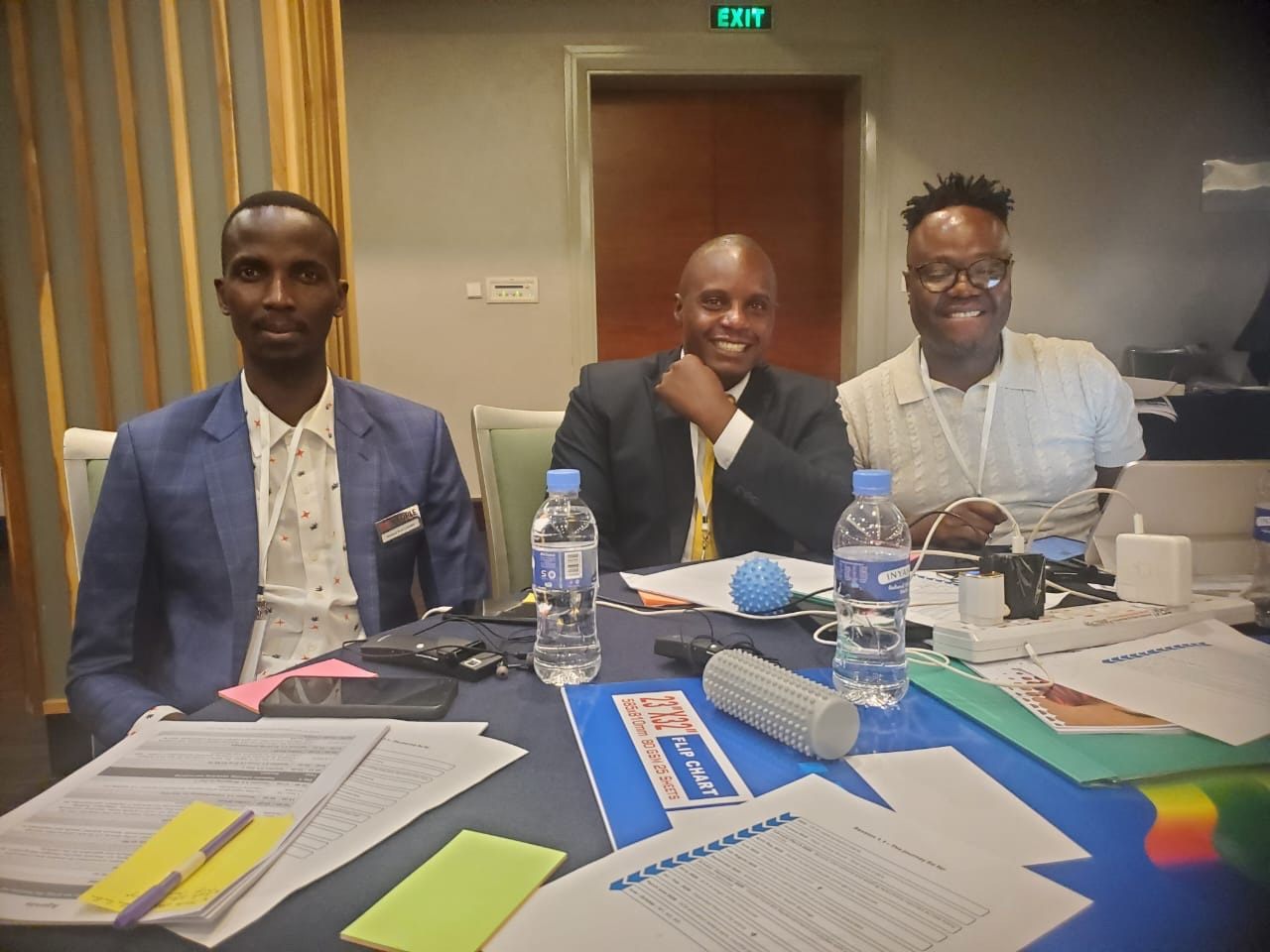
In 2019, following his own experience with tuberculosis, youth leader Walusimbi Michael saw the need for a platform that would bring together people infected and affected by TB.
He had faced diagnosis, treatment, stigma and isolation himself, and wanted an organisation where no one would go through that alone. What began as a call for solidarity grew into a community of survivors offering counselling, social support, health education and advocacy.
Members draw on their own experience to encourage treatment adherence, challenge stigma and promote acceptance in families and communities. Having supported more than 200 people, we are now expanding across Uganda, so that people affected by TB help shape health policy rather than only receive care.
People02 people
The people behind TBPU.
The people who lead and carry out our work.
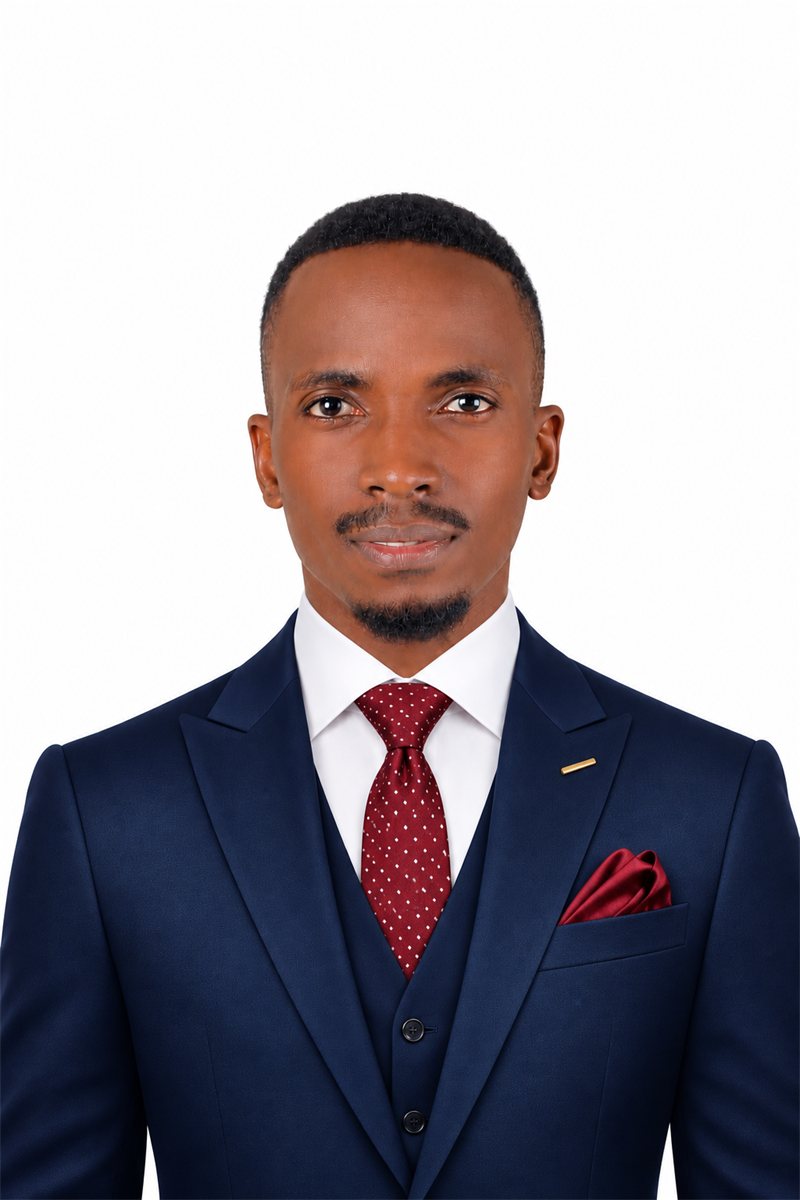
Walusimbi MichaelFounder and National Coordinator 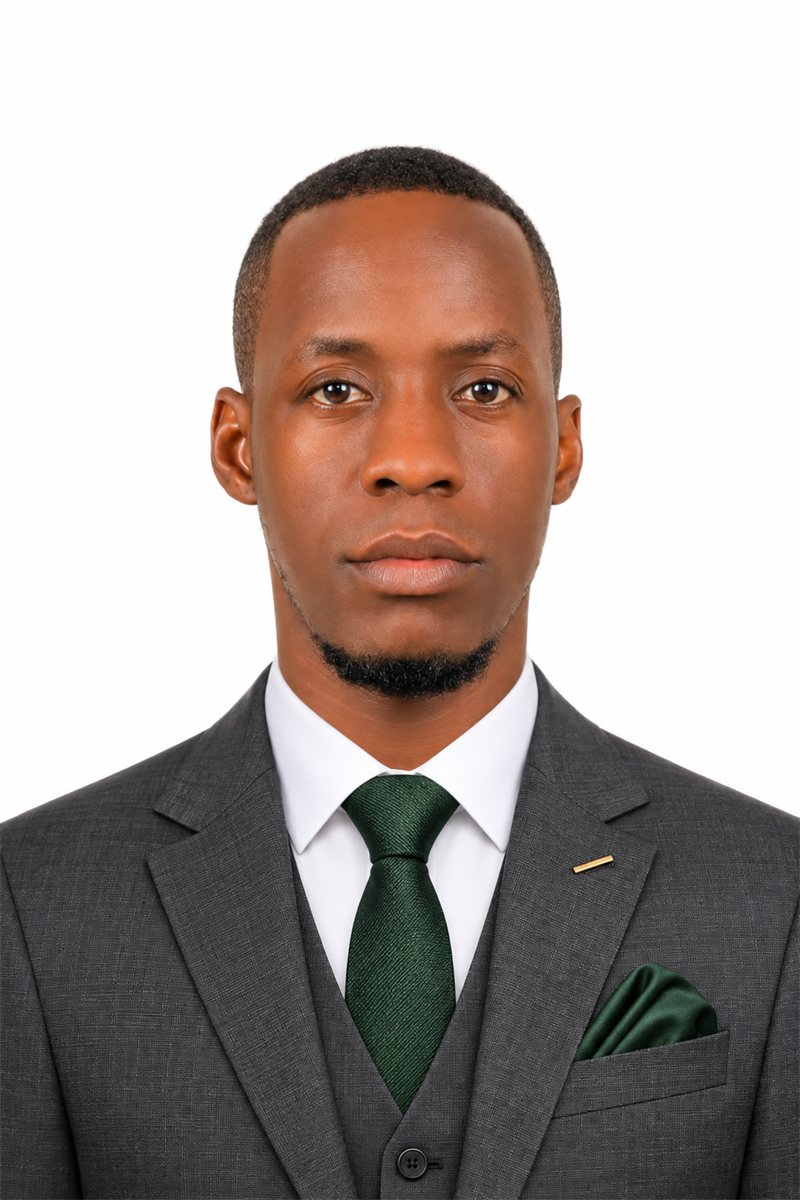
Waziri Abdalah AkimMember
Purpose
Why we do this work.
We treat tuberculosis as a social justice issue as well as a medical one.
Mission
To improve the health, dignity and quality of life of people infected and affected by tuberculosis through equitable healthcare support, advocacy, social justice, capacity building and evidence-based research.
Vision
A society free from tuberculosis-related stigma, discrimination and inequalities, where everyone enjoys equitable access to quality healthcare, dignity, opportunity and social justice.
Philosophy
Every life matters, every voice deserves to be heard, and every community has the power to drive change.
Medical treatment alone does not produce lasting health. It also takes empowered communities, responsive health systems, informed policies and respect for human rights. People affected by TB are agents of change and partners in the solutions that affect their lives.
- Placing people and communities at the centre of health interventions.
- Transforming lived experiences into knowledge, leadership and advocacy.
- Challenging stigma, discrimination and inequalities that undermine access to healthcare.
- Promoting equitable and inclusive health services that leave no one behind.
- Strengthening community capacity to participate in health decision-making.
- Generating and using evidence to influence policies, practices and health systems.
- Building partnerships and collective movements for sustainable health and social change.
Values7 values
What guides us.
- Dignity
- Respecting the worth, rights and humanity of every individual.
- Solidarity
- Standing together with people and communities affected by TB.
- Equity
- Addressing inequalities and ensuring fair access to opportunities and healthcare.
- Inclusion
- Ensuring that every voice, particularly those of marginalised communities, matters.
- Integrity
- Acting with honesty, transparency and ethical responsibility.
- Accountability
- Taking responsibility for our commitments, decisions and impact.
- Participation
- Promoting meaningful community involvement in decisions that affect people's health and wellbeing.
Goal and objectives08 objectives
What we set out to achieve.
To contribute to a TB-free, healthy and socially just Uganda by empowering affected communities, advancing equitable healthcare, challenging structural inequalities and strengthening community-led action, research and advocacy.
Healthcare and Support
To promote equitable access to quality, people-centred healthcare services, psychosocial support, treatment information, referrals and community-based care for people infected and affected by tuberculosis.
Advocacy and Policy Influence
To strengthen community-led advocacy and influence the development, implementation and accountability of policies, laws and programmes that promote effective TB prevention, care, treatment and control.
Social Justice and Human Rights
To advance the rights, dignity and social inclusion of people infected and affected by tuberculosis by addressing stigma, discrimination, inequality and other structural barriers to health and wellbeing.
Capacity Building and Training
To strengthen the knowledge, skills, leadership and institutional capacity of TB survivors, affected communities, healthcare workers and civil society organisations to participate effectively in TB prevention, care, advocacy and community development.
Research and Knowledge Generation
To undertake, support and disseminate evidence-based research on tuberculosis, health inequalities, community experiences, access to healthcare and other related health and social justice issues to inform policy and practice.
Community Mobilisation and Partnerships
To mobilise and empower communities, establish strategic partnerships and strengthen collaboration among government institutions, healthcare providers, civil society, development partners and other stakeholders towards sustainable TB responses.
Prevention and Health Promotion
To promote public awareness, early screening, testing, prevention, treatment adherence and community participation in efforts to reduce the burden of tuberculosis and contribute to its elimination.
Socioeconomic Empowerment and Reintegration
To promote the socioeconomic wellbeing, resilience and reintegration of TB survivors and affected households through livelihood support, social protection linkages and community empowerment initiatives.